2026/2/24 10:31:00
Introduction
In industrial and infrastructure projects, selecting between armoured and unarmoured cables is a critical design decision. The choice directly affects mechanical protection, installation cost, safety, and long-term reliability.
Armoured cables are designed with additional mechanical protection layers, while unarmoured cables are lighter and more flexible for controlled environments. Understanding when to use each type ensures compliance with international standards and optimal system performance.
What Is an Armoured Cable?
An armoured cable includes a protective metallic layer—typically Steel Wire Armour (SWA), Steel Tape Armour (STA), or Aluminium Wire Armour (AWA). This armour layer provides enhanced mechanical protection against impact damage, rodent attack, crushing forces, and underground installation stress.
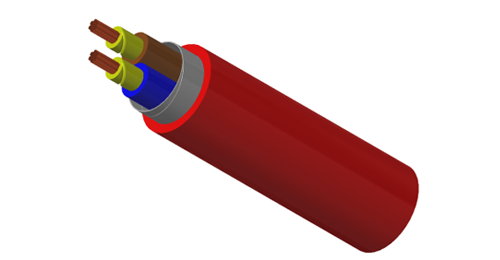
Typical structure includes:
• Conductor (Copper / Aluminium)
• Insulation (PVC / XLPE / EPR)
• Inner sheath or bedding
• Metallic armour layer
• Outer sheath
What Is an Unarmoured Cable?
Unarmoured cables do not include a metallic armour layer. They typically consist of conductor, insulation, and outer sheath. These cables rely on controlled installation environments such as conduit, trays, or ducts for mechanical protection.
Unarmoured cables are generally lighter, more flexible, easier to install, and lower in cost.
Technical Comparison
Mechanical Protection: Armoured – High; Unarmoured – Limited
Weight: Armoured – Heavy; Unarmoured – Light
Installation Flexibility: Armoured – Moderate; Unarmoured – High
Cost: Armoured – Higher; Unarmoured – Lower
Underground Suitability: Armoured – Excellent; Unarmoured – Requires additional protection
Rodent Resistance: Armoured – High; Unarmoured – Low
Electrical and Thermal Performance
From an electrical standpoint, armoured and unarmoured cables can be identical if they share the same conductor and insulation type, such as XLPE insulated cables under IEC 60502.
Operating temperature depends on insulation material:
PVC – 70°C
XLPE – 90°C
Rubber/EPR – up to 110°C
Relevant International Standards
IEC 60502 – Power cables with extruded insulation
IEC 60227 – PVC insulated cables
IEC 60245 – Rubber insulated cables
BS 5467 – XLPE SWA armoured cable
BS 6724 – LSZH armoured cable
When to Use Armoured Cables
Recommended for direct underground burial, outdoor exposed installations, industrial plants, mining and tunnelling, power distribution networks, and areas with high mechanical risk.
When to Use Unarmoured Cables
Suitable for indoor installations, cable trays and conduits, control panels, protected technical rooms, and environments with low mechanical stress.
Installation Considerations
Engineers should evaluate installation method, risk of mechanical damage, environmental exposure, local regulatory requirements, and project budget before selecting cable type.
Why Choose BURY CABLE
BURY CABLE manufactures both armoured and unarmoured power and control cables in accordance with IEC, BS, and European standards, delivering reliable solutions for industrial and infrastructure projects worldwide.
Conclusion
The decision between armoured and unarmoured cables depends primarily on mechanical protection requirements and installation environment. Proper selection ensures safety, compliance, and long-term operational reliability.