2026/3/18 11:05:13
IEC 60331 Explained: Why Circuit Integrity Matters in Fire Conditions
BURYCABLE Technical Article
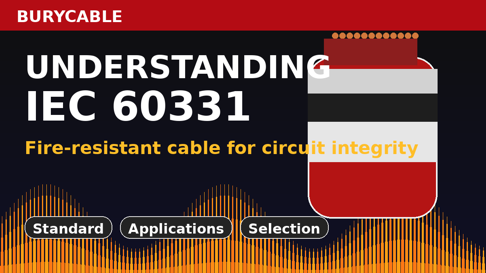
Figure 1. Overview graphic for the article topic
Article focus: IEC 60331 fire resistance testing for cables used in emergency circuits. |
IEC 60331 is an international fire test standard used to evaluate whether an electric cable can continue to maintain circuit integrity while directly exposed to flame. In practice, it helps verify whether the cable can keep transmitting power or signals during a fire for a required period.
This is fundamentally different from standards that only measure flame spread. For emergency circuits, continuous operation matters because the system must still function while people evacuate and firefighters respond.
In a real fire event, emergency lighting, fire alarm loops, smoke extraction fans, voice evacuation systems, and fire pumps must continue working. If the cable fails first, the system can stop even though the connected equipment remains operational.
For that reason, circuit integrity is a selection priority wherever the project depends on cables that support life-safety or mission-critical continuity.
· Maintains electrical continuity during direct fire exposure
· Supports emergency operation in alarms, lighting, and ventilation systems
· Helps reduce risk in transport, healthcare, and public buildings
Feature | IEC 60331 Focus | Why It Matters |
Test objective | Circuit integrity during fire | Confirms continued operation under flame exposure |
Primary use | Emergency and life-safety circuits | Supports evacuation and emergency response |
Not the same as | Flame-retardant testing | Fire spread control and fire survival are different |
Typical systems | Alarms, lighting, smoke extraction | Critical systems cannot fail early |
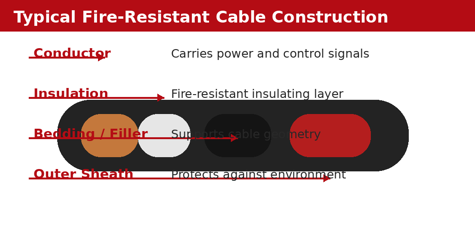
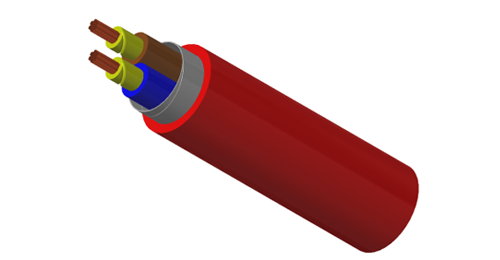
Figure 2. Simplified construction reference
A flame-retardant cable is designed to limit how quickly fire spreads along a cable route. That is valuable for reducing overall fire growth, but it does not automatically mean the cable will keep working once it is engulfed in fire.
IEC 60331 fire-resistant testing is about continued function under flame exposure. In many specifications, both behaviors may be relevant, but they should never be treated as the same requirement.
Cables selected for IEC 60331 applications are most common in systems where continuity directly supports safety, evacuation, or emergency intervention.
· Fire alarm and detection circuits
· Emergency lighting and exit route systems
· Smoke control and extraction systems
· Transport hubs, tunnels, hospitals, and high-rise buildings
Selection should consider the emergency system involved, the required survival duration under fire, local code requirements, and any related specifications such as BS 6387 or low-smoke, halogen-free performance.
A proper review of installation conditions, cable construction, and supporting test data helps avoid under-specification and improves long-term reliability.
BURYCABLE supports fire-resistant cable applications for infrastructure, commercial, and industrial projects. We provide practical product selection support, technical guidance, and responsive quotation service for projects where reliable circuit integrity matters.
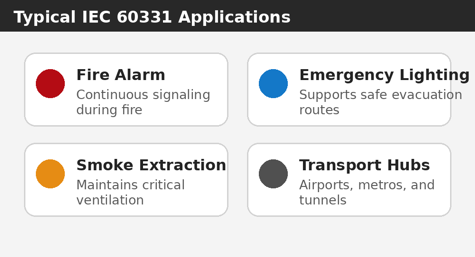
Figure 3. Representative application scenarios
Request a Quote from BURY CABLE | WhatsApp |