In our increasingly connected world, safeguarding our homes and businesses from electrical hazards has never been more essential. One of the most effective ways to enhance your fire safety strategy is by investing in fire-resistant cables. These specially designed wires not only minimize the risk of fire spreading but also ensure that your electrical systems maintain their integrity during emergencies. In this ultimate guide, we will delve into the myriad benefits of fire-resistant cables, explain how they work, and provide practical tips for selecting the right type for your needs. Whether you’re protecting a cherished family home or a bustling commercial space, understanding the importance of these cables is a crucial step in fortifying your environment. Get ready to discover how you can take proactive measures against fire risks and ensure peace of mind for years to come.
Electricity is an indispensable part of modern life, powering everything from our home appliances to industrial machinery. However, it also poses significant risks, including fires, shocks, and system failures. Electrical hazards can arise from various sources, such as faulty wiring, overloaded circuits, or damaged equipment. These hazards not only jeopardize property but also endanger lives, making it vital to address them proactively.
One of the most concerning electrical hazards is fire. Electrical fires can start in hidden wiring and spread quickly, often before they are even detected. The aftermath can be devastating, leading to substantial property damage, financial loss, and in dire cases, loss of life. Understanding the root causes of electrical fires and implementing preventive measures is crucial for creating a safe environment.
Electrical hazards are not limited to residential settings; they are equally prevalent in commercial and industrial spaces. Businesses rely heavily on complex electrical systems, and any failure can result in operational downtime, safety risks, and even legal liabilities. Therefore, recognizing the potential dangers and taking appropriate steps to mitigate them is essential for both homes and businesses.
Fire-resistant cables are a pivotal component in enhancing fire safety. These cables are specifically designed to withstand high temperatures and maintain circuit integrity during a fire, preventing the spread of flames and enabling critical systems to remain operational. This capability is particularly important in ensuring that emergency systems, such as alarms and lighting, function properly during a fire, aiding in safe evacuation.
Investing in fire-resistant cables is not just about compliance with safety regulations; it is also a proactive measure to protect valuable assets and human life. In residential settings, fire-resistant cables provide an added layer of security, giving homeowners peace of mind that their electrical systems are robust and reliable. In commercial spaces, they help safeguard operations, protect personnel, and minimize potential disruptions and losses.
Moreover, fire-resistant cables play a crucial role in modern building design and infrastructure. With the increasing complexity of electrical systems and the growing demand for energy efficiency, these cables offer a reliable solution that enhances overall safety without compromising performance. By integrating fire-resistant cables into your electrical systems, you are taking a significant step towards creating a safer and more resilient environment.
Fire-resistant cables come in various types, each tailored to specific applications and environments. Understanding the differences between these types can help you choose the right cable for your needs. One common type is the mineral insulated cable, which features a copper conductor encased in a mineral insulation material. This design provides exceptional fire resistance and durability, making it ideal for high-risk areas such as power stations and industrial plants.
Another type is the low smoke zero halogen (LSZH) cable, which is designed to produce minimal smoke and no halogen gases when exposed to fire. This feature is particularly important in enclosed spaces such as tunnels, airports, and public buildings, where smoke and toxic gases can pose significant health risks during a fire. LSZH cables are widely used in applications where maintaining air quality and visibility during an emergency is critical.
Armored fire-resistant cables are also a popular choice for environments that require additional mechanical protection. These cables feature a robust outer layer that shields them from physical damage, making them suitable for harsh conditions and underground installations. Armored cables are commonly used in infrastructure projects, including railways, highways, and commercial buildings, where durability and reliability are paramount.
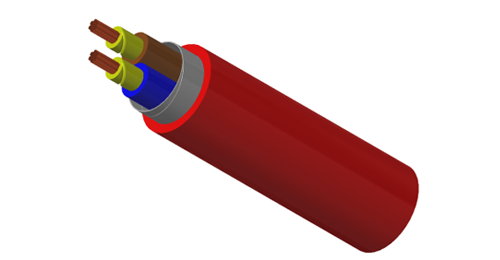
Fire-resistant cables are engineered to maintain their functionality during a fire, ensuring that critical electrical systems remain operational. This is achieved through the use of specialized materials and construction techniques. The primary component of these cables is the insulation material, which is designed to withstand high temperatures without degrading. Common insulation materials include mica, silicone, and mineral-based compounds, each offering unique properties that contribute to the cable's fire resistance.
In addition to the insulation, fire-resistant cables often feature a protective sheath or jacket that further enhances their ability to withstand fire. This outer layer is typically made from materials that resist combustion and prevent the spread of flames. The combination of fire-resistant insulation and protective sheathing ensures that the cables can endure extreme conditions while maintaining their structural integrity.
Another critical aspect of fire-resistant cables is their ability to limit the release of smoke and toxic gases. During a fire, these cables are designed to produce minimal smoke and emit no halogen gases, which can be harmful to humans and corrosive to equipment. This feature is particularly important in confined spaces, where maintaining air quality and visibility is crucial for safe evacuation and firefighting efforts.
To ensure the reliability and effectiveness of fire-resistant cables, various standards and certifications have been established by regulatory bodies and industry organizations. These standards define the performance criteria that fire-resistant cables must meet to be considered safe for use in different applications. One of the most widely recognized standards is the International Electrotechnical Commission (IEC) 60331, which specifies the requirements for the fire resistance of cables.
In addition to IEC standards, there are several other certifications that fire-resistant cables may carry. The British Standard BS 6387, for example, outlines the performance requirements for cables in terms of their ability to withstand fire, water, and mechanical shock. Similarly, the European standard EN 50200 specifies the fire resistance testing methods for cables used in emergency circuits, ensuring that they can maintain functionality during a fire.
Compliance with these standards and certifications is essential for ensuring the quality and safety of fire-resistant cables. When selecting fire-resistant cables, it is important to verify that they meet the relevant standards for your specific application. This not only ensures that the cables will perform as expected in the event of a fire but also demonstrates a commitment to safety and regulatory compliance.
Fire-resistant cables are versatile and can be used in a wide range of applications, both in residential and commercial settings. In homes, these cables are often used in areas where the risk of fire is higher, such as kitchens, garages, and basements. They provide an added layer of protection for electrical systems, ensuring that critical circuits remain operational during a fire and helping to prevent the spread of flames.
In commercial spaces, fire-resistant cables are commonly used in emergency systems, including fire alarms, emergency lighting, and communication networks. These cables ensure that essential systems remain functional during a fire, facilitating safe evacuation and firefighting efforts. They are also used in data centers, hospitals, and other critical infrastructure, where maintaining continuous operation is crucial.
Industrial applications of fire-resistant cables include power generation, oil and gas, and manufacturing facilities. In these environments, the cables must withstand extreme conditions and provide reliable performance to protect personnel and equipment. Fire-resistant cables are also used in transportation infrastructure, such as tunnels and bridges, where they play a vital role in ensuring safety and reliability.
Proper installation of fire-resistant cables is essential to ensure their effectiveness and longevity. One of the key considerations during installation is the routing of the cables. Fire-resistant cables should be routed away from potential sources of fire and heat, such as boilers, furnaces, and other high-temperature equipment. This helps to minimize the risk of damage and ensures that the cables can maintain their integrity during a fire.
Another important aspect of installation is the use of appropriate support and fastening systems. Fire-resistant cables should be securely fastened to prevent movement and damage, particularly in areas where they may be exposed to mechanical stress. The use of fire-resistant cable trays and conduits can also provide additional protection and help to contain the spread of fire.
In addition to proper routing and support, it is important to follow the manufacturer's guidelines and industry standards for installation. This includes ensuring that the cables are installed with the correct bend radius, spacing, and termination techniques. Adhering to these best practices not only ensures the safety and reliability of the cables but also helps to maintain compliance with regulatory requirements.
Regular maintenance and inspection of fire-resistant cables are crucial to ensure their continued performance and safety. Over time, cables can be subjected to various stresses, including mechanical damage, environmental exposure, and electrical loading. Routine inspections help to identify any signs of wear, damage, or degradation that could compromise the cables' fire resistance and overall functionality.
During inspections, it is important to check for physical damage, such as cuts, abrasions, or deformation of the cables. Any signs of damage should be addressed promptly to prevent further deterioration and potential failure. Inspections should also include a review of the cable support and fastening systems to ensure that they remain secure and effective.
In addition to physical inspections, electrical testing can be performed to assess the condition of the cables and identify any potential issues. This may include insulation resistance testing, continuity testing, and other diagnostic tests that help to evaluate the performance of the cables. Regular maintenance and testing not only extend the lifespan of fire-resistant cables but also ensure that they remain a reliable component of your fire safety strategy.
In conclusion, fire-resistant cables are an essential component of any comprehensive fire safety strategy. Their ability to withstand high temperatures, prevent the spread of flames, and maintain circuit integrity during a fire makes them invaluable for protecting homes, businesses, and critical infrastructure. By understanding the importance of fire-resistant cables, selecting the right type for your needs, and following best practices for installation and maintenance, you can significantly enhance the safety and resilience of your environment.
Investing in fire-resistant cables is not just about compliance with safety regulations; it is a proactive measure to protect valuable assets and human life. Whether you are safeguarding a family home, a bustling commercial space, or an industrial facility, fire-resistant cables provide the peace of mind that comes with knowing you are prepared for any eventuality. By taking these proactive measures, you can ensure that your electrical systems remain reliable and safe, even in the most challenging conditions.
Ultimately, fire-resistant cables represent a critical investment in the safety and security of your environment. By prioritizing their use and adhering to industry standards and best practices, you can create a safer, more resilient space that protects what matters most. So, take the time to evaluate your current fire safety measures, consider the benefits of fire-resistant cables, and take the necessary steps to enhance your protection against electrical hazards. Your future safety and peace of mind depend on it.