In the world of audio performance, the quality of your cables can make or break your sound. Enter shielded instrument cables—unseen heroes that ensure your music resonates with clarity and precision. Whether you're a professional musician in a studio or an audiophile at home, these cables are essential to preserving the integrity of your sound. Designed to minimize interference and eliminate unwanted noise, shielded instrument cables protect your audio signal from the chaos of the outside world. Imagine a performance where every note is crisp and every beat is punchy, free from the distortions that come with inferior cabling. This article dives deep into the remarkable benefits of using shielded instrument cables, exploring why they are crucial for achieving high-quality audio. Get ready to uncover the secrets behind your sound and elevate your audio experience to new heights. Embrace the power of protection and clarity, and let your music shine like never before!
In the world of audio performance, the quality of your cables can make or break your sound. Enter shielded instrument cables—unseen heroes that ensure your music resonates with clarity and precision. Whether you're a professional musician in a studio or an audiophile at home, these cables are essential to preserving the integrity of your sound. Designed to minimize interference and eliminate unwanted noise, shielded instrument cables protect your audio signal from the chaos of the outside world. Imagine a performance where every note is crisp and every beat is punchy, free from the distortions that come with inferior cabling. This article dives deep into the remarkable benefits of using shielded instrument cables, exploring why they are crucial for achieving high-quality audio. Get ready to uncover the secrets behind your sound and elevate your audio experience to new heights. Embrace the power of protection and clarity, and let your music shine like never before!
Shielded instrument cables are specialized audio cables designed to protect the integrity of the audio signals they carry. Unlike regular cables, these cables are equipped with a shielding layer that serves as a barrier against electromagnetic interference (EMI) and radio frequency interference (RFI). This shielding is usually made from conductive materials such as copper or aluminum, which effectively block external noise from infiltrating the signal path. The result is a cleaner, clearer sound that is free from the hums, buzzes, and other unwanted noises that can plague unshielded cables.
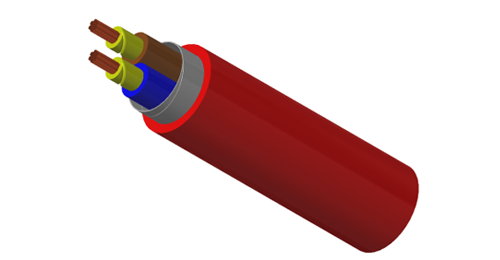
The basic structure of a shielded instrument cable consists of three main components: the conductor, the insulation, and the shielding. The conductor is typically made of high-quality copper and is responsible for transmitting the audio signal. Surrounding the conductor is the insulation, which prevents electrical short circuits and maintains the cable's flexibility. The shielding layer encases the insulation, providing the essential protection against external interference. Finally, the outer jacket encases the entire assembly, offering additional protection and durability.
Shielded instrument cables come in various designs and configurations, each tailored to specific applications and environments. Some cables feature braided shielding, which offers excellent flexibility and durability, while others use foil shielding for superior protection against high-frequency interference. Hybrid designs that combine both types of shielding are also available, providing a balance of flexibility and noise resistance. Regardless of the design, the primary goal of shielded instrument cables remains the same: to deliver high-quality audio performance by safeguarding the signal from external disturbances.
The importance of shielding in audio cables cannot be overstated. In today's technologically advanced world, our environments are saturated with electromagnetic and radio frequency signals. These signals can come from a variety of sources, including wireless networks, mobile phones, electrical appliances, and even the wiring in our homes and studios. When these external signals interfere with audio cables, they can introduce noise and distortions that degrade the quality of the audio signal. Shielding acts as a protective barrier, preventing these external signals from contaminating the audio signal.
Electromagnetic interference (EMI) and radio frequency interference (RFI) are the two main types of interference that shielding aims to combat. EMI is caused by electromagnetic fields generated by electrical devices and power lines, while RFI is caused by radio frequency signals from wireless communication devices. Both types of interference can introduce unwanted noise into the audio signal, resulting in hums, buzzes, and other distortions. By incorporating a shielding layer, shielded instrument cables effectively block these external signals, ensuring that the audio signal remains pure and untainted.
The benefits of shielding extend beyond just noise reduction. Shielded cables also help maintain signal integrity over longer distances. As audio signals travel through a cable, they can lose strength and become more susceptible to interference. Shielding helps preserve the signal's strength and clarity, allowing for longer cable runs without a significant loss in audio quality. This is particularly important in professional audio environments, where long cable runs are often necessary to connect various pieces of equipment. By using shielded instrument cables, audio professionals can ensure that their signals remain strong and clear, regardless of the distance.
High-quality shielded instrument cables are distinguished by several key features that contribute to their superior performance. One of the most critical features is the quality of the conductor. High-quality cables use conductors made from pure, oxygen-free copper, which offers excellent conductivity and minimizes signal loss. The purity of the copper ensures that the audio signal is transmitted with maximum fidelity, preserving the nuances and details of the original sound. Additionally, high-quality conductors are often stranded rather than solid, providing greater flexibility and durability.
Another important feature is the insulation material. High-quality shielded cables use insulation made from premium materials such as polyethylene or Teflon. These materials offer excellent dielectric properties, meaning they effectively prevent electrical leakage and maintain the integrity of the signal. The insulation also plays a crucial role in maintaining the cable's flexibility, allowing it to be easily routed and maneuvered without compromising performance. In some cases, cables may feature multiple layers of insulation for added protection and durability.
The shielding itself is a defining feature of high-quality shielded instrument cables. As mentioned earlier, shielding can be made from materials such as copper or aluminum and can take the form of braided or foil designs. High-quality cables often use a combination of both types of shielding, providing comprehensive protection against a wide range of interference. The shielding should be tightly woven or wrapped to ensure maximum coverage and effectiveness. Additionally, high-quality cables may feature a drain wire, which helps to ground the shielding and further reduce noise.
Shielded cables enhance audio performance in several ways, primarily by reducing interference and preserving signal integrity. One of the most significant benefits is the reduction of noise and hum. Unshielded cables are susceptible to picking up electromagnetic and radio frequency interference, which can introduce unwanted noise into the audio signal. This noise can manifest as hums, buzzes, or crackles, all of which can detract from the listening experience. Shielded cables effectively block these external signals, ensuring that the audio signal remains clean and free from interference.
In addition to noise reduction, shielded cables also help maintain the clarity and detail of the audio signal. As audio signals travel through a cable, they can degrade due to capacitance and resistance. This degradation can result in a loss of high-frequency detail and a general muddying of the sound. High-quality shielded cables are designed to minimize these losses, preserving the full frequency range of the audio signal. The result is a clearer, more detailed sound that accurately represents the original recording.
Another way shielded cables enhance audio performance is by reducing the risk of crosstalk. Crosstalk occurs when signals from one cable bleed into an adjacent cable, causing interference and distortion. This is particularly problematic in environments with multiple cables running in close proximity, such as recording studios or live sound setups. Shielded cables provide effective isolation between signals, preventing crosstalk and ensuring that each audio channel remains distinct and free from interference. This isolation is crucial for maintaining the integrity of multi-channel audio systems.
Poor-quality cables can introduce a host of issues that can compromise audio performance. One of the most common problems is increased noise and interference. Cheap, unshielded cables are particularly susceptible to picking up electromagnetic and radio frequency interference, resulting in hums, buzzes, and other unwanted noises. This noise can mask the finer details of the audio signal, making it difficult to achieve a clean and accurate sound. In extreme cases, the noise can be so intrusive that it becomes impossible to use the audio signal for professional applications.
Another common issue with poor-quality cables is signal degradation. Low-quality conductors and inadequate insulation can result in significant signal loss, particularly over longer cable runs. This loss manifests as a reduction in high-frequency detail and a general dulling of the sound. The result is audio that lacks clarity and precision, making it less enjoyable to listen to and less useful for critical listening applications. In contrast, high-quality shielded cables are designed to minimize signal loss and preserve the full fidelity of the audio signal.
Durability is another area where poor-quality cables often fall short. Cheap cables are typically made from inferior materials that are prone to wear and tear. The conductors may break, the insulation may crack, and the connectors may become loose or corroded. These issues can result in intermittent signal loss, crackling noises, and other problems that can disrupt audio performance. High-quality shielded cables, on the other hand, are built to withstand the rigors of regular use, ensuring consistent performance and reliability over time.
There are several different types of shielded instrument cables, each designed to meet specific needs and applications. One of the most common types is the braided shield cable. Braided shield cables feature a shielding layer made up of interwoven strands of conductive material, typically copper. This type of shielding offers excellent flexibility and durability, making it ideal for applications where the cable needs to be frequently moved or bent. Braided shield cables are particularly popular in live sound environments, where they need to withstand the demands of regular use.
Another common type of shielded instrument cable is the foil shield cable. Foil shield cables use a thin layer of conductive foil, usually aluminum, to provide shielding. This type of shielding is highly effective at blocking high-frequency interference, making it ideal for applications where EMI and RFI are a concern. However, foil shield cables are less flexible than braided shield cables and can be more prone to damage if bent or twisted excessively. As a result, they are often used in fixed installations where flexibility is less of a concern.
There are also hybrid shielded cables that combine both braided and foil shielding. These cables offer the best of both worlds, providing excellent protection against interference while maintaining good flexibility. The braided shield provides durability and flexibility, while the foil shield offers superior high-frequency noise rejection. Hybrid shielded cables are versatile and can be used in a wide range of applications, from live sound to studio recording. They are a popular choice for audio professionals who need reliable, high-performance cables.
Choosing the right shielded cable for your needs involves considering several factors, including the specific application, the length of the cable run, and the level of interference in the environment. One of the first decisions to make is the type of shielding. If flexibility and durability are paramount, a braided shield cable may be the best choice. These cables are ideal for live sound environments where the cables need to be moved and handled frequently. On the other hand, if high-frequency noise rejection is a priority, a foil shield cable may be more suitable. These cables are excellent for fixed installations in environments with significant EMI and RFI.
Another important factor to consider is the length of the cable run. Longer cable runs are more susceptible to signal loss and interference, so it's essential to choose a high-quality shielded cable that can maintain signal integrity over distance. Look for cables with low capacitance and high-quality conductors, such as oxygen-free copper, to ensure minimal signal degradation. Hybrid shielded cables, which combine braided and foil shielding, can be a good choice for longer runs, as they offer a balance of flexibility and noise rejection.
The level of interference in the environment is another critical consideration. In environments with high levels of EMI and RFI, such as near wireless communication devices or electrical equipment, it's essential to choose a cable with robust shielding. Hybrid shielded cables or cables with multiple layers of shielding can provide the best protection against interference. Additionally, consider the quality of the connectors, as poor-quality connectors can introduce noise and degrade signal quality. Look for cables with sturdy, well-made connectors that provide a secure and reliable connection.
Proper maintenance is essential to ensure the longevity and performance of shielded instrument cables. One of the most important maintenance tips is to handle the cables with care. Avoid bending the cables at sharp angles, as this can damage the conductors and shielding. When coiling the cables for storage, use a gentle, circular motion to prevent kinks and twists. It's also a good idea to use cable ties or straps to keep the cables organized and prevent tangling.
Regular inspection is another important aspect of cable maintenance. Periodically check the cables for signs of wear and damage, such as frayed insulation, exposed conductors, or loose connectors. If any damage is found, it's best to replace the cable to avoid compromising audio performance. Additionally, keep the connectors clean and free from dirt and corrosion. Use a soft cloth or a specialized connector cleaner to wipe down the connectors regularly. This helps ensure a reliable connection and minimizes the risk of noise and signal loss.
Storing the cables properly is also crucial for maintaining their performance. Keep the cables in a cool, dry place away from direct sunlight and extreme temperatures. Avoid storing the cables in a coiled state for extended periods, as this can cause the insulation to become stiff and brittle. Instead, hang the cables loosely on hooks or store them in a dedicated cable bag or case. Proper storage helps prevent damage and prolongs the life of the cables.
When comparing shielded and unshielded cables, the most obvious difference is the presence of a shielding layer in shielded cables. This shielding provides a critical advantage in terms of reducing interference and maintaining signal integrity. Unshielded cables lack this protective layer, making them more susceptible to electromagnetic and radio frequency interference. This can result in unwanted noise and distortions that degrade the quality of the audio signal. For applications where audio quality is paramount, shielded cables are the clear choice.
Another key difference between shielded and unshielded cables is their performance over longer distances. As audio signals travel through a cable, they can lose strength due to resistance and capacitance. Shielded cables are designed to minimize these losses, preserving the clarity and detail of the audio signal over longer runs. Unshielded cables, on the other hand, are more prone to signal degradation, particularly over extended distances. This makes shielded cables a better option for professional audio applications that require long cable runs.
Durability is another area where shielded cables have an advantage. The shielding layer not only protects against interference but also adds an extra layer of protection against physical damage. This makes shielded cables more robust and less likely to suffer from wear and tear. Unshielded cables, while often more flexible, can be more prone to damage, particularly in demanding environments. For applications where cables need to withstand regular handling and movement, shielded cables offer greater durability and reliability.
Investing in high-quality shielded instrument cables is essential for achieving superior audio performance. These cables offer significant advantages in terms of noise reduction, signal integrity, and durability. By blocking electromagnetic and radio frequency interference, shielded cables ensure that your audio signal remains clean and free from unwanted noise. This is crucial for both professional and home audio applications, where the integrity of the signal is paramount.
High-quality shielded cables are designed to preserve the full fidelity of the audio signal, minimizing losses and maintaining clarity and detail. This results in a more accurate and enjoyable listening experience, whether you're recording in a studio, performing live, or simply enjoying music at home. The durability of these cables also ensures consistent performance over time, making them a reliable choice for demanding environments.
In conclusion, the benefits of shielded instrument cables far outweigh the cost. By investing in high-quality cables, you can safeguard your audio signal from the chaos of the outside world and achieve the best possible sound quality. Whether you're a professional musician, an audio engineer, or an audiophile, shielded instrument cables are an essential component of any high-quality audio setup. Embrace the power of protection and clarity, and let your music shine like never before.