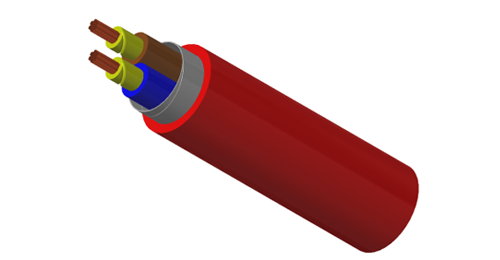
Fire resistant cables are essential components in modern electrical systems. They are engineered to maintain power and signal integrity during fire conditions, protecting both lives and critical infrastructure. Whether used in hospitals, data centers, commercial buildings, tunnels, or industrial plants, the correct selection and installation of fire resistant cables ensures operational continuity during emergencies.
Unlike standard cables, fire resistant cables prevent flame propagation and maintain circuit integrity for a specified time during a fire. This makes them critical for:
Emergency lighting systems
Fire alarm systems
Smoke extraction and evacuation systems
Emergency communications and building control
These cables reduce the risk of failure, help save lives, and minimize property damage in panic situations. They are now required in most safety-based building codes worldwide.
These cables use copper conductors encased in a copper sheath, insulated with magnesium oxide (MgO). MI cables offer:
High temperature endurance
Superior corrosion resistance
Excellent fire performance and reliability
FP cables commonly include mica tape, low smoke zero halogen (LSZH) materials, and glass fiber. They are suitable for public buildings and transportation systems because they:
Emit low smoke and zero toxic halogen gases
Provide flame protection and circuit integrity
Reduce smoke inhalation risks during evacuation
These cables preserve data transmission in fire conditions, making them essential for emergency voice systems and evacuation controls. They support stable signal integrity under high temperature stress.
Fire cables must meet strict global testing standards, including:
IEC 60331: Circuit integrity under fire
BS 6387 (CWZ): Fire, water, and impact resistance
EN 50200: Fire resistance for emergency systems
Important certification bodies include:
LPCB (Loss Prevention Certification Board)
UL (Underwriters Laboratories)
CSA (Canadian Standards Association)
Required fire survival duration (30 min, 60 min, 120 min)
Environmental conditions: moisture, chemicals, temperature
LSZH requirements for low smoke and toxicity
Compliance with IEC, BS, or EN certifications
Follow manufacturer guidance for routing and termination
Use fireproof junction boxes and resistant terminations
Separate fire rated cables from standard cables
Avoid mechanical stress and improper bending
Routine inspection and testing ensures continued performance:
Check insulation resistance and continuity
Inspect for corrosion, abrasion, or heat impact
Assess terminations for mechanical stress
Public buildings (malls, schools, hospitals)
Industrial plants and refinery operations
Railways, tunnels, and airports
Data centers and critical IT infrastructure
Smart fire detection cable systems
Improved LSZH formulations
Sustainability and recyclability in fire-resistant products
Fire resistant cables are indispensable for ensuring safety and operational reliability during emergencies. By selecting certified cables, following installation best practices, and maintaining regular inspection protocols, buildings and facilities can significantly improve fire protection and reduce risks. Investing in high-quality fire resistant cables is an essential step toward a safer future.
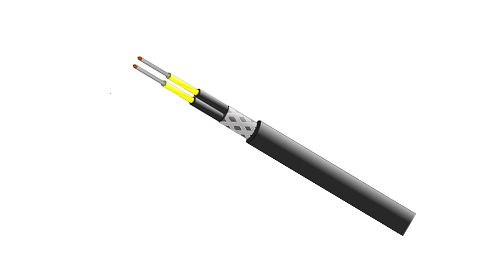
Our EN 50264-3-2 medium wall fire resistant multicore cable is engineered for railway rolling stock, metro, and transportation systems. It delivers reliable performance under fire, mechanical stress and vibration, with an overall screen to ensure EMC/EMI protection. Voltage ratings available: 300/500 V or 0.6/1 kV, suitable for power and control circuits in harsh environments.
✔ Compliant with EN 50264-3-2 standards
✔ Medium-wall LSZH insulation — Low Smoke Zero Halogen
✔ Overall screened — EMC/EMI protection
✔ Fire resistant, low smoke & low toxicity
✔ Available in 300/500 V and 0.6/1 kV versions