Oil and gas facilities operate in some of the most hazardous environments, where fire, explosion, and extreme temperatures pose constant risks. From offshore platforms to refineries and LNG terminals, maintaining power and signal integrity during a fire is critical for personnel safety, emergency shutdown systems, and asset protection.
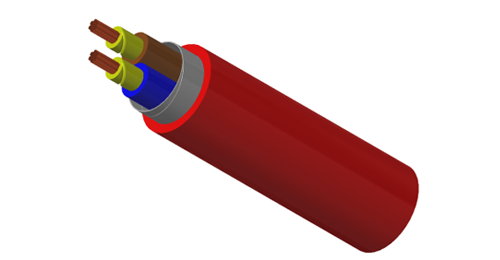
Fire resistant cables are specifically engineered to continue functioning under direct fire exposure, ensuring that critical systems remain operational when they are needed most.
In oil and gas installations, electrical and instrumentation systems support essential safety and control functions. During a fire incident, cable failure can lead to loss of communication, delayed evacuation, or uncontrolled process shutdown.
Fire resistant cables are used to support:
Emergency shutdown (ESD) systems
Fire and gas detection systems
Emergency lighting and escape route illumination
Instrumentation and control circuits
Communication and alarm systems
Unlike standard flame-retardant cables, fire resistant cables are designed to maintain circuit integrity for a specified duration under fire conditions.
Oil and gas facilities are exposed to multiple fire hazards, including:
Hydrocarbon pool fires
Jet fires and flash fires
High ambient temperatures
Corrosive atmospheres and chemical exposure
To address these risks, cables used in hazardous areas must comply with strict international fire performance standards.
BS 6387 CWZ is one of the most widely specified standards for fire resistant cables in oil and gas projects. Cables tested to CWZ classification are proven to withstand:
C (950°C fire) – continuous circuit integrity under fire
W (water spray) – performance during firefighting conditions
Z (mechanical shock) – resistance to impact during fire
These properties make BS 6387 CWZ fire resistant cables suitable for high-risk zones such as offshore platforms, refineries, and petrochemical plants.
For similar high-risk underground environments, such as metro and tunnel systems, fire resistant cable solutions are also widely applied to ensure emergency system reliability.
👉 (Metro & Tunnel)
Fire resistant cables are commonly installed in:
Offshore oil and gas platforms
Refineries and petrochemical complexes
LNG processing and storage terminals
Pump stations and compressor stations
Control rooms and safety systems
In these applications, maintaining power and signal continuity is essential for safe shutdown and emergency response.
When selecting fire resistant cables for oil and gas applications, project engineers should consider:
Compliance with BS 6387 CWZ or equivalent standards
Resistance to oil, chemicals, and corrosive environments
Suitable voltage rating and conductor size
Compatibility with hazardous area installation requirements
Our
<a href="/fire-resistant-cables/">fire resistant cables</a>
are designed to meet the demanding requirements of oil and gas projects, providing reliable performance under extreme fire conditions.
Fire resistant cables play a vital role in protecting life and assets in oil and gas facilities. By ensuring circuit integrity during fire incidents, these cables support critical safety systems and emergency operations in some of the world’s most challenging environments.
Selecting certified, high-performance fire resistant cables is an essential step in building safer and more resilient oil and gas infrastructure.
Looking for reliable fire resistant cables for oil and gas applications?
BS 6387 CWZ compliant designs
Suitable for offshore and hazardous areas
Custom specifications available
👉 Contact our technical team to discuss your project requirements.